

Introduction
The Borracha Legal Program guarantees an ethical origin, free from deforestation, and with social responsibility in the production of natural rubber. It covers Colombia (Valle del Cauca, Palmira) and Brazil (Amazon).
For industrial buyers in multinational tire companies, ensuring sustainable rubber is a compliance and reputation requirement.
Legal Rubber Program in Colombia
Palmira, Valle del Cauca
- Planting of Hevea brasiliensis: one of the oldest in the world
- Seedlings obtained from the expedition of Dr. Richard Evans Schultes
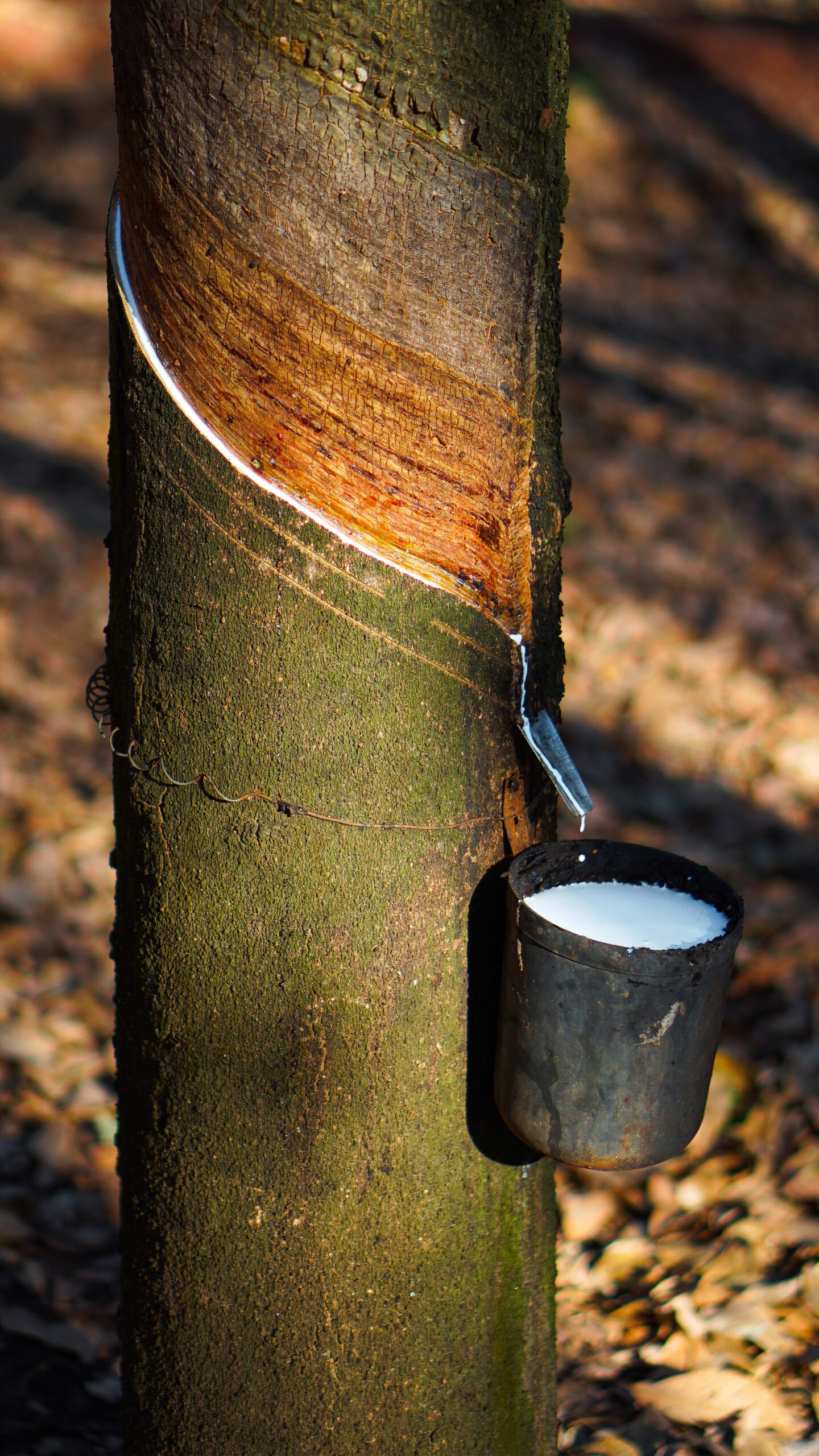
- Artisanal production of RSS 1, RSS 2, RSS 3 (sheets), and latex
Social Project
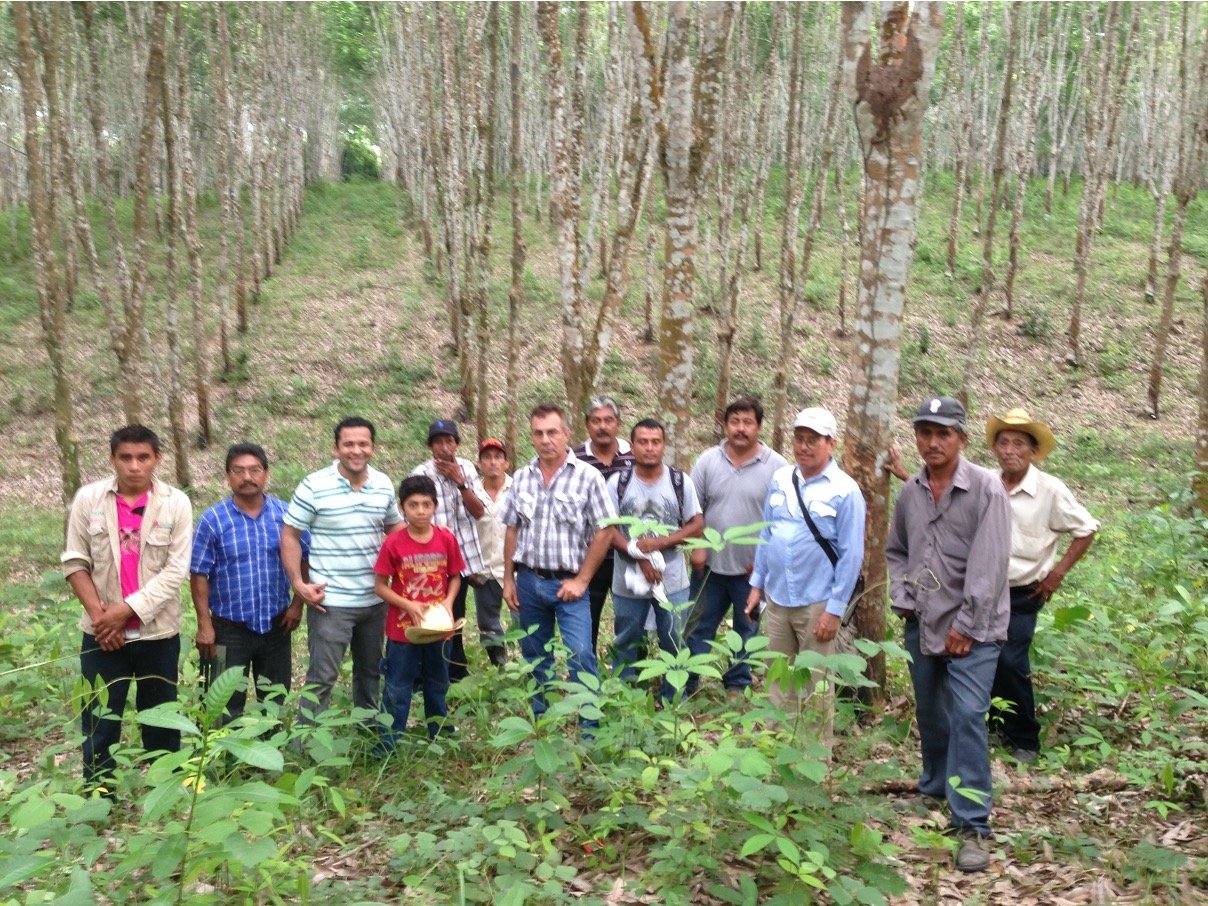
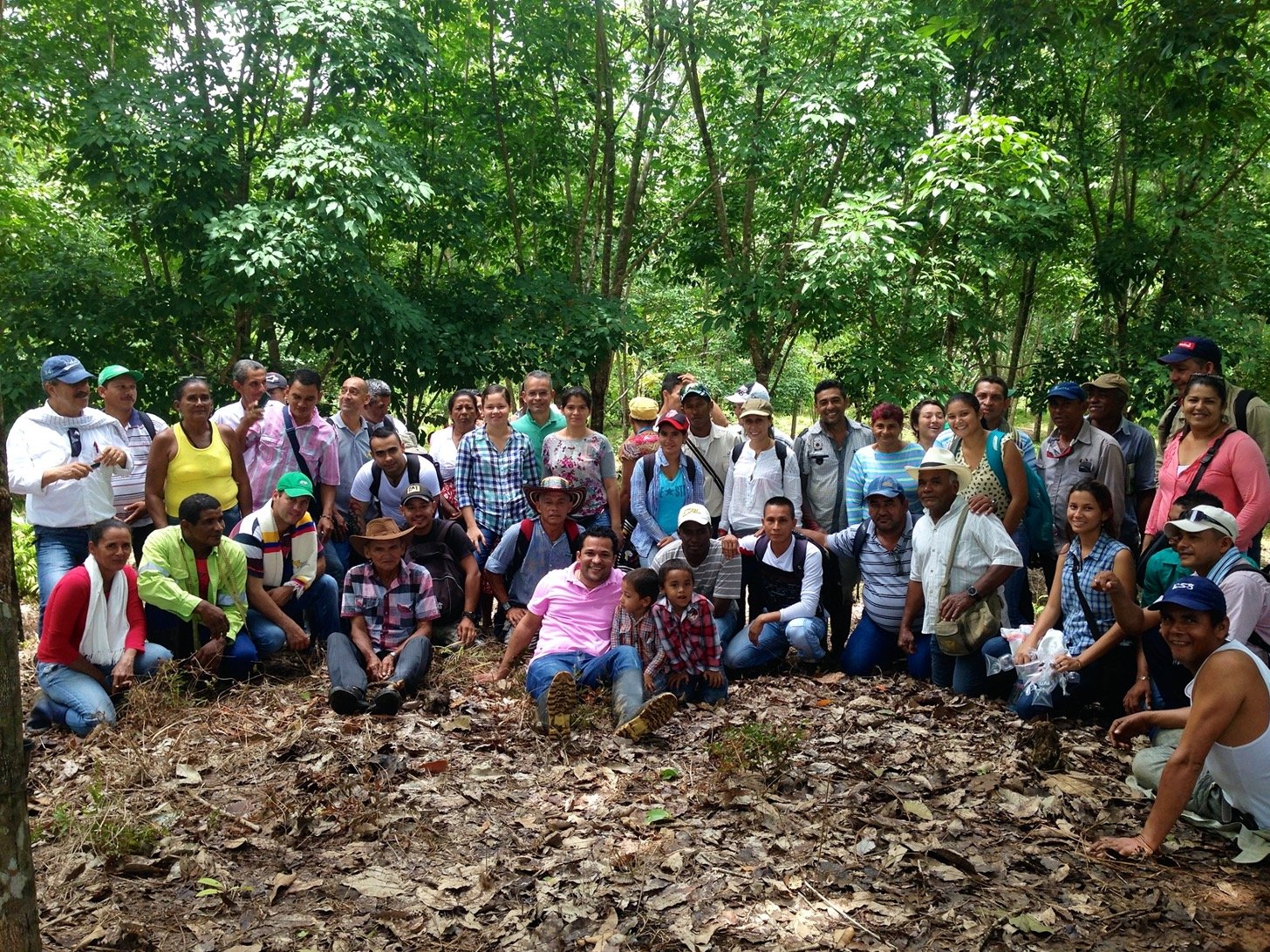
- More than 500 rubber producers benefited
- Agronomic management, disease control, and rubber tree plantation training
- 30% reduction in deforestation since 2020
Legal Rubber Program in Brazil
Amazonia: Sustainable Extractivism
- Latex harvesting without deforestation
- Alliance with traditional rubber-tapping communities
- Ethical origin certification
Environmental Impact
- 40% reduction in deforestation in the region
- Conservation of over 10,000 hectares of forest
- ISO 14001 Certification
Measurable Social Impact of Sustainable Rubber
| Metric | Result |
|---|
| Metric | Result |
|---|---|
| Benefiting producers | 500+ |
| Deforestation reduction | 30–40% |
| Certifications obtained | Cool Rubber, ISO 14001 |
| Protected Area | 10,000+ ha |
Rubber Route and Responsibility with Natural Rubber
- Commitment to the ethical origin of natural rubber
- Total transparency in the supply chain (from latex to tire)
- Direct connection between rubber producers and multinational industrial buyers